Plumbing Maintenance Guide — DIY Plumbing Tips, Preventive Checklists, Leak Repair, Drain Cleaning & Water Heater Care
Actionable guides for clogged drains, P-traps, leaking pipes, water heater flushing, toilet repairs, low water pressure, and freeze protection. Learn exactly what’s DIY-safe, when to call a licensed plumber, and how to cut costs without risking code, warranty, or safety.
No sign-ups • No data collection • Educational content only.
Plumbing Maintenance Checklists
Regular maintenance prevents emergencies: flush sediment, clean aerators, test shut-off valves, and inspect traps for leaks. These routines improve water efficiency, fixture lifespan, and indoor air quality by keeping sewer gas sealed.
Monthly
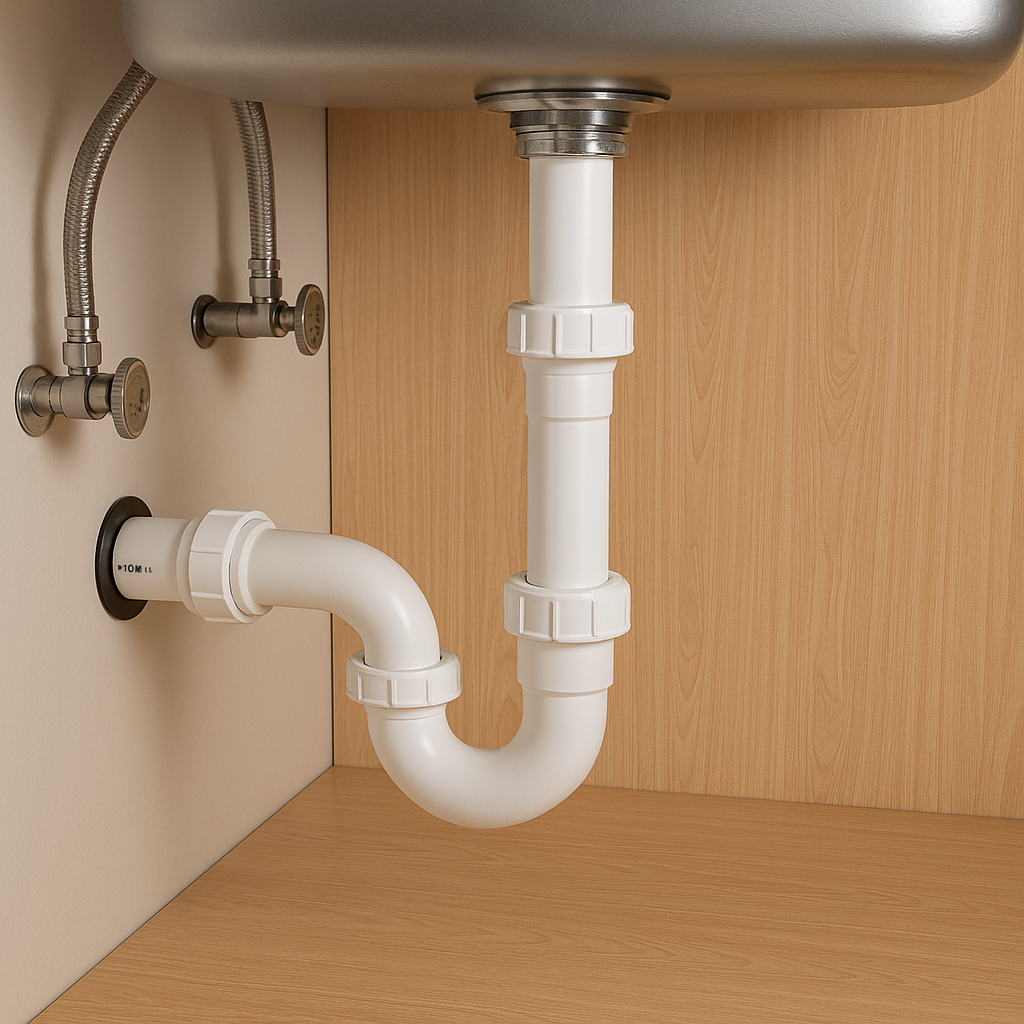
- Inspect under-sink P-traps & supply lines for dampness.
- Run rarely used fixtures to keep trap seals primed.
- Clean faucet aerators & shower heads; remove scale.
- Dye-test toilets for silent leaks.
- Verify water pressure (~40–60 PSI) with a gauge.
Quarterly
- Exercise main shut-off valve (gently off/on).
- Clear hair/soap from tub & shower strainers.
- Visually check exposed drain/vent piping.
- Test nearby GFCI outlets; reset if needed.
- Look for corrosion on copper and brass fittings.
Spring / Summer
- Open/inspect hose bibbs; fix drips promptly.
- Check irrigation backflow & vacuum breakers.
- Flush a few gallons from tank water heater.
- Set water heater to ~120°F; add mixing valve if needed.
- Inspect washing-machine hoses; replace if bulging.
Fall / Winter
- Disconnect hoses; add insulated bibb covers.
- Insulate vulnerable pipes or add heat-trace.
- Know your main shut-off; practice closing it.
- Service tankless units: clean filter/flush per manual.
- Drain/winterize exterior lines where applicable.
DIY vs Call a Professional
| DIY-Friendly | Call a Licensed Plumber |
|---|---|
|
Replace a P-trap or tailpiece under a sink.
Swap faucet cartridges & aerators (with shutoff).
Clear simple sink/tub clogs with a hand auger.
Install braided stainless supply lines.
Flush tank water heater sediment; test T&P valve carefully.
|
Gas piping, gas water-heater work, or venting.
Main drain/sewer stoppages; rooting or jetting.
Slab leaks or hidden supply leaks in walls/ceilings.
Backflow testing/repairs; work requiring permits.
Potable-water modifications affecting safety/codes.
|
Stop immediately if you smell gas, see scorching, or notice rapid water damage. Close local or main shutoff and contact a licensed plumber.
Water Heaters — Tank & Tankless
Care & Settings
- Annually: flush a few gallons to reduce sediment.
- Setpoint: ~120°F for safety & efficiency.
- T&P Valve: test lever briefly; replace if it won’t reseat.
- Anode rod: inspect every 3–5 years (tank models).
- Tankless: clean inlet filter & descale per manual.
When to Replace
- Age: tank 8–12 yrs typical; tankless 15–20 yrs.
- Rusty hot water, ignition faults, or chronic leaks.
- Upgrades: capacity, recovery rate, fuel type, recirculation.
Drains & Clogs
Prevention
- Use strainers on sinks/tubs; empty into trash.
- Never pour grease; wipe pans before washing.
- Occasionally flush long runs with hot water.
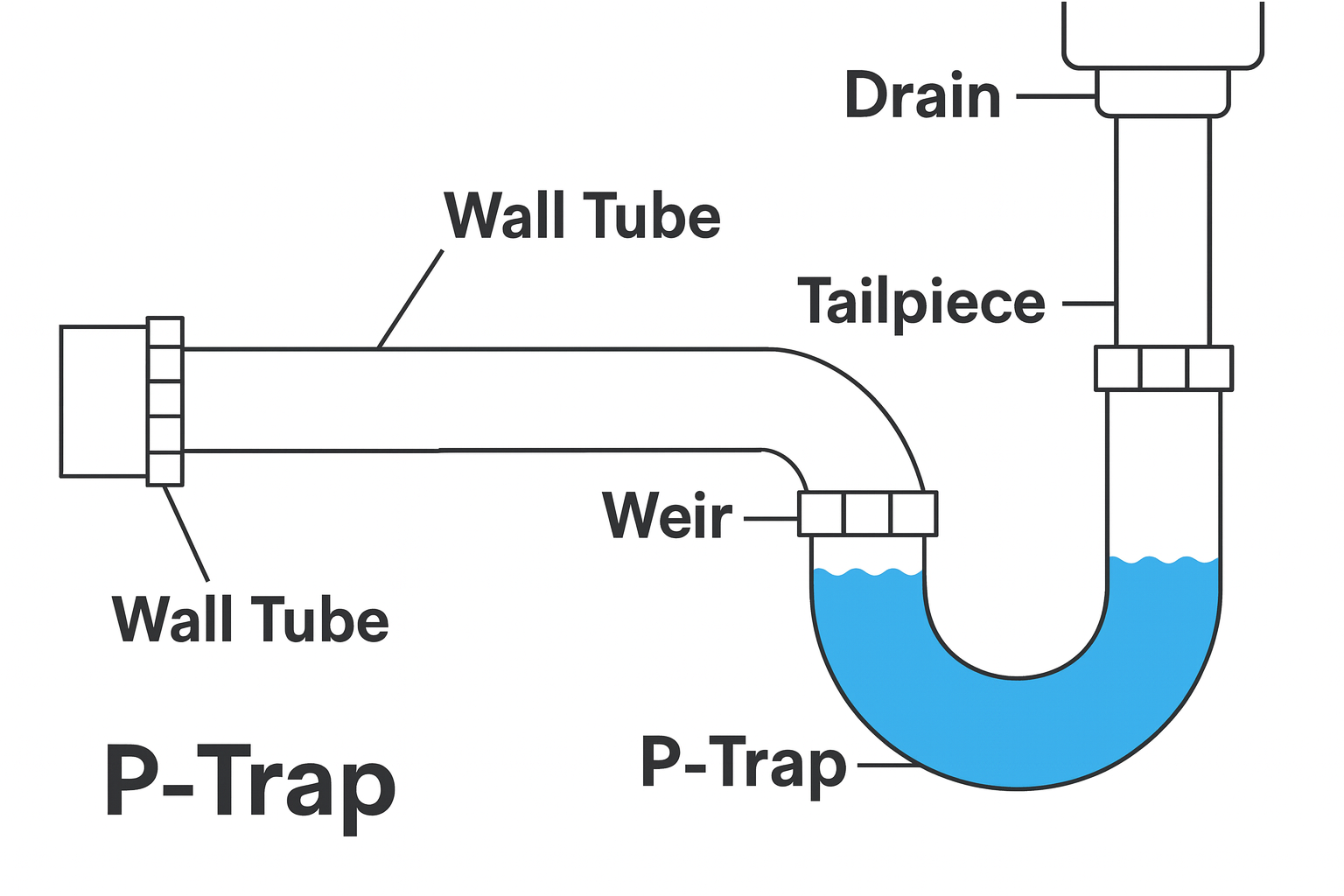
- Maintain trap seals to block sewer gas.
DIY Clearing
- Plunger: cup (sinks) / flange (toilets).
- Hand auger at the trap arm.
- Enzyme cleaners for maintenance—avoid mixing chemicals.
- Multiple backups → likely main line issue.
Call a Pro
- Several fixtures backing up at once.
- Cleanout access needed for jetting/camera.
- Recurring roots or collapsed pipes.
- Sewage backflow (sanitation & restoration).
Fixtures — Faucets, Toilets, Showers
Faucets
- Shut off water beneath the sink before service.
- Clean aerators; replace cartridges by model.
- Use plumber’s grease on O-rings.
- Hand-tighten supply lines to avoid over-torque.
Toilets
- Fix running tanks: flapper/chain/flush valve.
- Rocking bowl? Reset and replace wax ring/bolts.
- Use enzyme cleaner; avoid harsh acids.
- Check shutoff and supply for drips.
Showers
- Descale heads in vinegar.
- Replace cartridges to cure temp drift.
- Re-caulk seams; keep weep holes clear.
- Verify anti-scald/pressure balancing.
Winterization — Freeze Protection
Homes Occupied
- Keep heat on; open cabinet doors on exterior walls.
- Drip a faucet during extreme cold to keep water moving.
- Seal exterior penetrations; add pipe insulation.
Homes Vacant
- Shut off main; open low faucets to drain lines.
- Pour RV antifreeze in traps (sinks, tubs, floor drains).
- Drain/bypass water heater per the manual.
Plumbing Repair Costs & Time
| Service | Typical Cost | Notes |
|---|---|---|
| Faucet cartridge replacement | $80–$250 | Brand/model and access matter. |
| Running toilet repair | $90–$220 | Flapper/flush valve/fill valve. |
| Clogged drain (local) | $120–$300 | Hand auger/mini-snake at fixture. |
| Main line clearing | $250–$700+ | Cleanout, jetting, camera add-ons. |
| Water heater: tank install | $1,100–$2,800 | Capacity, venting, code upgrades. |
| Water heater: tankless install | $2,200–$5,500+ | Gas line, venting, isolation valves. |
| Leak detection & repair | $250–$1,200+ | Location (wall/slab) drives cost. |
Troubleshooting — No Hot Water, Clogs, Leaks, Low Pressure
No Hot Water
- Electric: check breaker & reset.
- Gas: verify pilot/ignition; set to ~120°F.
- Tankless: clean inlet filter; ensure gas/water flow.
- Still out? Pro diagnosis (elements, gas valve, venting).
Slow / Clogged Drain
- Plunge with correct cup/flange.
- Use hand auger at trap arm.
- Multiple fixtures → likely main line issue.
- Avoid mixing chemical cleaners.
Leaks / Low Pressure
- Shut off local valve; inspect supply line & stop.
- Clean aerators; check PRV (pressure reducing valve).
- Hidden leaks: watch meter with all water off.
- Slab/wall leaks → professional leak detection.
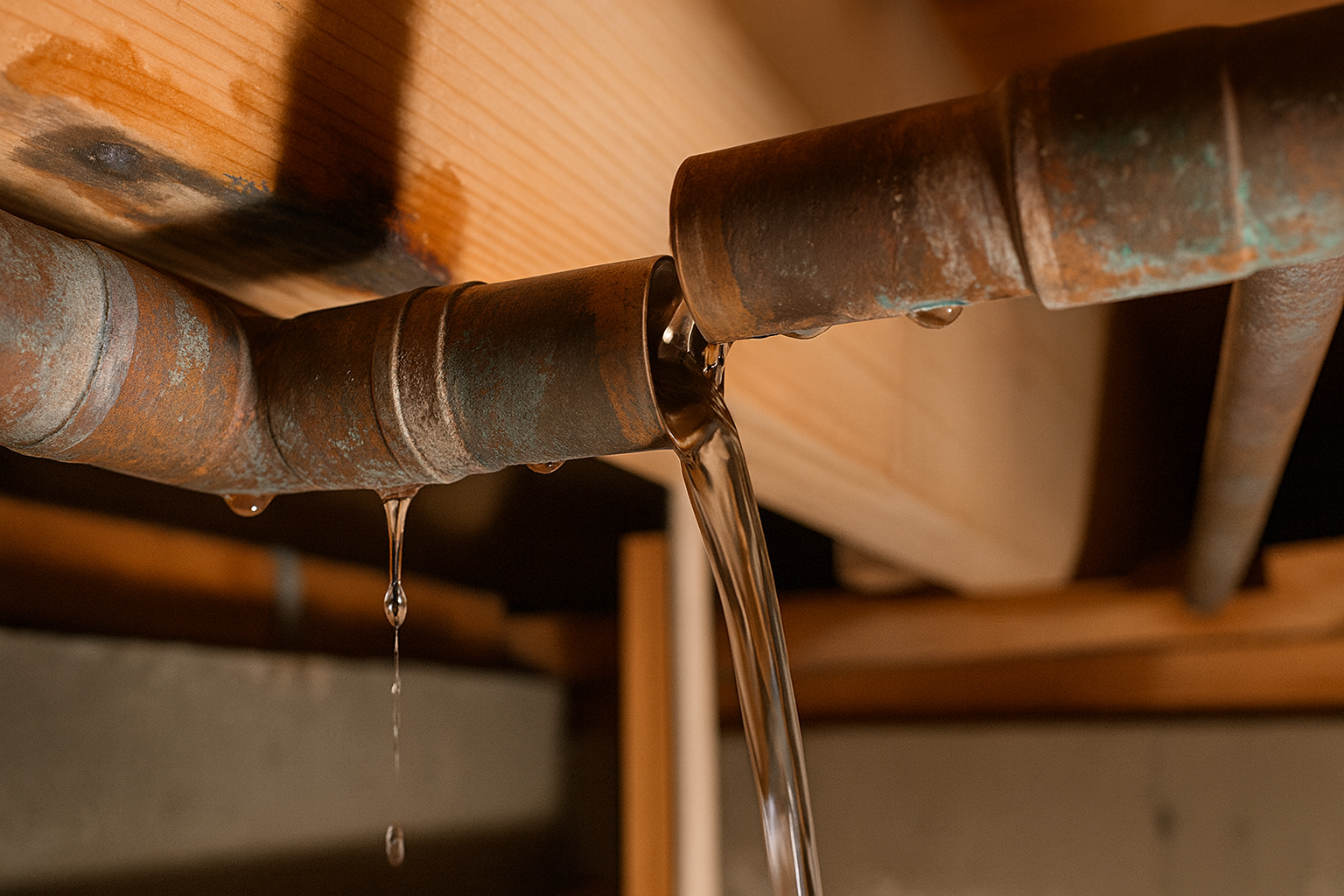
Photo Gallery — Leaks & P-Traps
Find Local Plumbers (Coming Soon)
Legal Disclaimer
Educational use only. This content is not professional advice and may not reflect your local codes or site conditions. Always shut off water and—if applicable—gas/electricity before service. Do not perform gas work, pressurized repairs, or potable-water modifications unless licensed. Your use of this site does not create a client relationship. All use is at your own risk.
FAQs
What should household water pressure be?
Typically 40–60 PSI. If pressure is high, add a PRV. If low, clean aerators, check PRV function, and look for leaks.
How often should I flush a tank water heater?
At least once per year to reduce sediment. Inspect sooner if you hear popping or see cloudy water.
Can I clear a clogged toilet without chemicals?
Yes—use a flange plunger first, then a closet auger. Avoid mixing chemical cleaners.
When should I replace supply lines?
Replace bulging, rusted, or older than ~10-year rubber lines with braided stainless; always check for leaks after install.
Why Is My Water Heater Leaking?